Q1: What is EQ training?
A: EQ (Emotional Intelligence) training is a structured program to enhance individuals’ ability to recognize, understand, and manage their emotions and those of others. It combines theoretical knowledge with practical exercises to develop core emotional competencies and the behaviors that support them.
Q2: What are the key EQ skills typically addressed in training?
A: EQ skills usually include:
- Self-Awareness: Recognizing one’s emotions and understanding their impact.
- Self-Regulation: Managing emotions effectively in various situations.
- Empathy: Understanding and sharing the feelings of others.
- Social Skills: Building strong relationships and managing interactions effectively.
- Motivation: Using emotional insights to drive personal and professional goals.
Q3: How are EQ habits defined, and how do they form?
A: EQ habits are the regular, often automatic, behaviors that emerge from consistently applying emotional intelligence skills. They form through repeated practice and can include pausing to reflect before reacting, engaging in active listening, or routinely checking in with colleagues to gauge their emotional state.
Q4: What is the fundamental difference between EQ skills and EQ habits?
A:
- EQ Skills are the learned abilities—such as recognizing emotions, empathizing, and communicating effectively—that can be consciously applied in a situation.
- EQ Habits are the ingrained, often subconscious behaviors that result from repeatedly practicing these skills over time.
For instance, knowing how to manage stress (a skill) is different from routinely taking a moment to breathe and reflect during high-pressure situations (a habit).
Q5: How can I assess progress in developing EQ skills during training?
A: Progress in EQ skills can be evaluated using a combination of methods:
- Self-Assessment Tools: Questionnaires and reflective exercises help individuals gauge their emotional competencies.
- Behavioral Simulations: Role-playing scenarios and situational exercises provide practical insights into skill application.
- Feedback Mechanisms: Input from peers, mentors, or coaches through structured feedback sessions can help identify areas of strength and improvement.
Ready to Find Your Perfect Kashbox Coach?
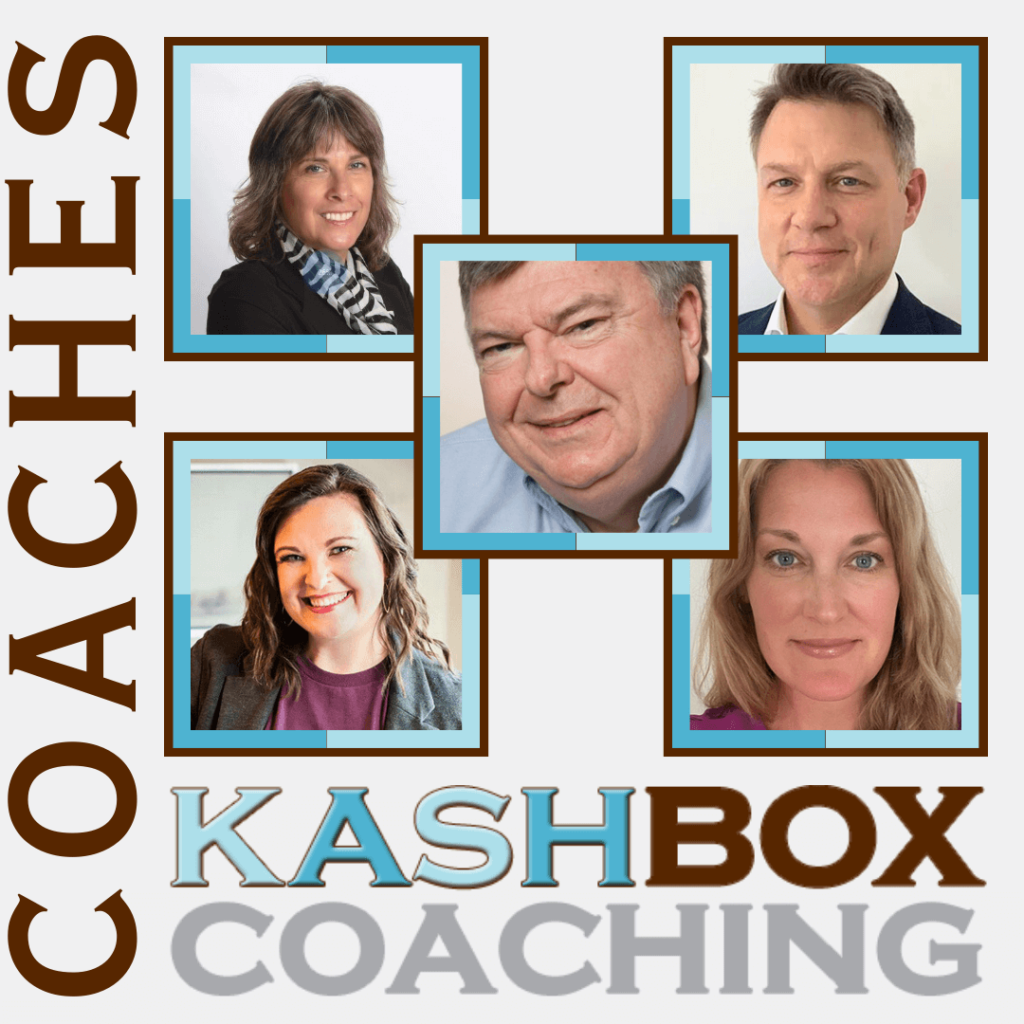
Every executive and business leader has unique strengths and faces specific challenges. That’s why we offer a diverse team of experienced coaches, each with specialized expertise in different areas of leadership coaching.
Click the button below to match with a Kashbox Coaching leadership coach who can best help you unlock your full potential.
Q6: What methods are effective for tracking the development of EQ habits?
A: To monitor EQ habits, consider these approaches:
- Journaling: Encourage individuals to keep a daily or weekly journal reflecting on their emotional responses and behaviors.
- Habit Tracking Tools: Use apps or checklists to record the frequency of desired behaviors, such as taking reflective pauses or active listening in meetings.
- Regular Reviews: Periodic one-on-one meetings or group feedback sessions can help assess whether new behaviors are becoming second nature.
Q7: What challenges might arise when differentiating between EQ skills and habits?
A:
- Overlap in Practice: Skills and habits often blend. An individual may understand a skill conceptually yet struggle to apply it consistently as a habit.
- Subjectivity: Self-assessments can be influenced by personal bias, making it difficult to measure whether a behavior is habitual objectively.
- Time Factor: Habits take time to form, so distinguishing between temporary practice and ingrained behavior may require ongoing evaluation.
Q8: How can organizations support developing EQ skills and habits simultaneously?
A: Organizations can adopt several strategies:
- Integrative Training Programs: Combine theoretical sessions with practical exercises and real-world applications to encourage habit formation.
- Continuous Feedback: Implement regular check-ins and performance reviews with emotional intelligence metrics.
- Coaching and Mentoring: Use professional coaches or internal mentors to reinforce the understanding of EQ concepts and their practical application.
- Culture of Reflection: Foster an environment where self-reflection and open dialogue about emotional experiences are encouraged and rewarded.
Q9: What role do feedback and self-reflection play in differentiating skills from habits?
A: Feedback and self-reflection are essential in pinpointing whether an individual is merely aware of an EQ concept (skill) or actively applying it in a routine manner (habit). Constructive feedback from peers and mentors helps identify gaps between understanding and practice, while self-reflection allows individuals to evaluate their behavior patterns and adjust accordingly consciously.
Q10: Where can I find additional resources on EQ training focused on skills and habits?
A:
- Books & Articles: Look for seminal works like Daniel Goleman’s Emotional Intelligence and related literature in academic journals and business publications.
- Online Courses & Webinars: Platforms such as Coursera, LinkedIn Learning, and Udemy offer emotional intelligence courses that cover skills and habits.
- Professional Coaching: Consider engaging with certified EQ coaches specializing in training and ongoing habit development.
- Workshops & Seminars: Attend live events and industry conferences on emotional intelligence and leadership development.
By understanding the distinct roles of skills and habits in EQ training, individuals and organizations can more effectively tailor development programs that teach emotional intelligence concepts and ensure these practices become an integral part of everyday behavior.

Kashbox Coaching helps leaders at every level think clearly, decide confidently, and lead without burnout. We partner with individuals and teams who want to strengthen how they lead, communicate, and perform in complex, real-world environments.
Through one-to-one leadership and executive coaching, we support emerging leaders, seasoned managers, and senior executives alike. Some come to us at a pivotal career moment. Others want to sharpen focus, navigate change, or lead with greater consistency and confidence. Wherever they are, our coaching meets leaders where they are and helps them move forward with intention.
The Kashbox Coaching Institute complements our coaching work by offering programs, workshops, and learning experiences grounded in the KASH Method™ (Knowledge, Attitude, Skills, and Habits). These programs provide practical tools and shared language that reinforce the growth leaders achieve through coaching, without replacing the personalized nature of the work.
Whether through individual coaching, team engagements, or institute programs, Kashbox Coaching is focused on one outcome: helping leaders build clarity, credibility, and sustainable leadership that lasts.