Q1: What distinguishes a genuinely effective COO from someone who simply holds the title?
A: A truly effective COO leverages deep operational knowledge, demonstrates a decisive and impactful attitude, demonstrates a broad set of skills, and cultivates habits that drive consistent performance. In contrast, holding the title alone does not guarantee the ability to execute strategy, inspire teams, or improve organizational efficiency.
Q2: What kind of knowledge should a good COO possess?
A: A good COO has comprehensive industry knowledge, a deep understanding of the organization’s internal processes, and an awareness of market trends and regulatory issues. This knowledge enables them to make informed decisions, streamline operations, and align day-to-day activities with the company’s long-term strategic vision.
Q3: How do the attitudes of a leader differentiate an effective COO?
A: Decisiveness: An effective COO approaches decisions with clarity and confidence, grounded in a mindset that values timely resolution over perfection. They trust their judgment and remain calm under pressure.
Problem-Solving Orientation: They maintain a forward-thinking attitude, viewing challenges as opportunities for improvement rather than setbacks. This mindset drives continuous refinement and resilience.
Collaborative Spirit: A strong COO believes in the power of teamwork and actively fosters a culture of respect, openness, and shared purpose across departments.
Execution Mindset: They hold a deep commitment to follow-through, grounded in the belief that strategy is only as good as its implementation. This attitude prioritizes accountability and sustained momentum.
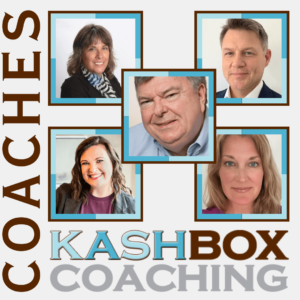
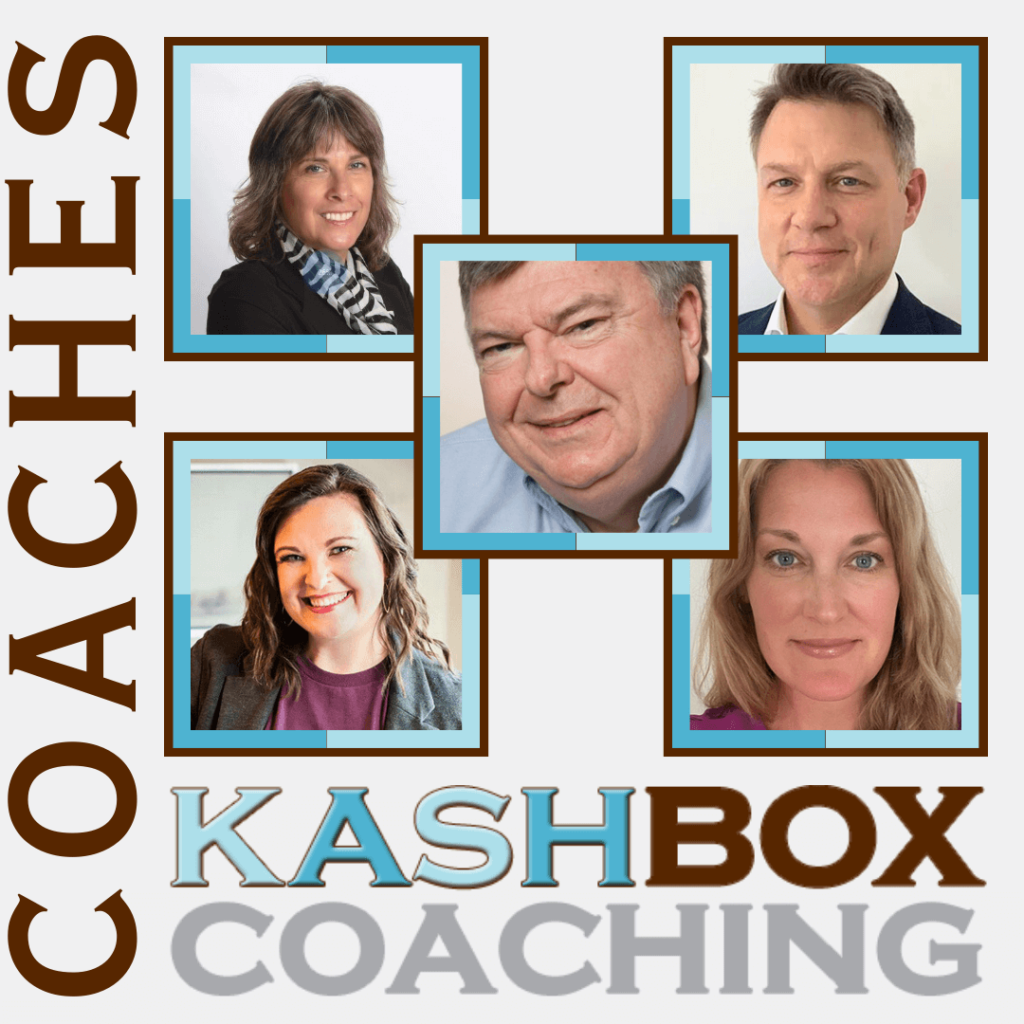
Ready to Find Your Perfect Kashbox Coach?
Every executive and business leader has unique strengths and faces specific challenges. That’s why we offer a diverse team of experienced coaches, each with specialized expertise in different areas of leadership coaching.
Click the button below to match with a Kashbox Coaching leadership coach who can best help you unlock your full potential.
Q4: What specific skills are critical for a successful COO?
A:
- Strategic Planning: The ability to bridge high-level strategy with operational execution.
- Analytical Skills: Proficiency in data analysis to monitor performance metrics and drive continuous improvement.
- Leadership: Strong people management and communication skills to motivate teams and drive accountability.
- Adaptability: Flexibility to pivot and adjust operational strategies in response to changing market conditions.
Q5: What habits distinguish a good COO from someone who merely holds the title?
A:
- Consistent Routine: They develop daily habits that promote productivity, such as regular check-ins with teams, detailed planning, and periodic performance reviews.
- Continuous Learning: An effective COO is committed to personal and professional growth, staying current with industry trends and operational best practices.
- Proactive Feedback: They regularly seek and incorporate feedback as a tool for ongoing improvement.
- Resilience: Cultivating the habit of staying calm and focused under pressure, enabling them to navigate challenges effectively.
Q6: How do these attributes translate into tangible business success?
A: When a COO combines in-depth knowledge, a decisive attitude, critical skills, and productive habits, they drive improvements in operational efficiency, enhance employee performance, and ultimately contribute to the company’s growth. Their ability to connect strategy with execution ensures that organizational goals are met consistently, leading to higher profitability and sustained competitive advantage.
Q7: How can organizations evaluate these characteristics in COO candidates?
A:
- Behavioral Interviews: Ask candidates to describe past situations where they applied operational knowledge to solve complex problems.
- Case Studies and Simulations: Present real-world scenarios that require quick decision-making, effective leadership, and problem-solving under pressure.
- 360-Degree Feedback: Gather insights from peers, subordinates, and superiors to assess the candidate’s skills and habits in a real-world context.
- Performance Metrics: Review past achievements and quantifiable results demonstrating how their actions translated into success.

5 Powerful Secrets of High-Performing Leaders
✓ 4 Strategic Wins for instant clarity and execution
✓ Beat Parkinson’s Law to dominate your schedule
✓ Optimize Your Energy for unstoppable productivity
✓ Read to Lead to accelerate personal and career growth
✓ Proven Learning Method that cements breakthroughs
Q8: What common pitfalls might prevent a COO from being truly effective?
A:
- Lack of Continuous Learning: Failing to update knowledge or adapt to new operational methods can leave a COO stagnant.
- Poor Communication: Without consistent communication, even the most knowledgeable leader can struggle to implement changes effectively.
- Inconsistent Habits: Inconsistency in day-to-day routines can lead to missed opportunities and operational inefficiencies.
- Overemphasis on the Title: Relying solely on authority without actively engaging in problem-solving and team collaboration often leads to suboptimal outcomes.
Q9: How can a COO continuously develop their knowledge, attitudes, skills, and habits?
A:
- Professional Development: Regularly attend industry seminars, workshops, and courses to stay current with best practices and emerging trends.
- Mentoring and Coaching: Engage with mentors or executive coaches to gain external perspectives and refine leadership strategies.
- Feedback Loops: Implement systematic feedback mechanisms to identify areas for improvement and celebrate successes.
- Reflective Practices: Dedicate time for self-reflection and analysis of past actions to learn and adapt continuously.
Q10: Why is it critical to differentiate between merely holding the title of COO and truly embodying these leadership attributes?
A: The title of COO may grant authority, but it is the practical application of knowledge, a proactive attitude, refined skills, and consistent habits that drive real operational success. Organizations benefit from a COO who not only holds the title but also actively contributes to its strategic execution, ensuring that every operational decision moves the organization closer to its long-term goals.
By focusing on these dimensions, organizations can identify and cultivate COOs who deliver sustained results rather than simply enjoying the prestige of their title.

Kashbox Coaching helps leaders at every level think clearly, decide confidently, and lead without burnout. We partner with individuals and teams who want to strengthen how they lead, communicate, and perform in complex, real-world environments.
Through one-to-one leadership and executive coaching, we support emerging leaders, seasoned managers, and senior executives alike. Some come to us at a pivotal career moment. Others want to sharpen focus, navigate change, or lead with greater consistency and confidence. Wherever they are, our coaching meets leaders where they are and helps them move forward with intention.
The Kashbox Coaching Institute complements our coaching work by offering programs, workshops, and learning experiences grounded in the KASH Method™ (Knowledge, Attitude, Skills, and Habits). These programs provide practical tools and shared language that reinforce the growth leaders achieve through coaching, without replacing the personalized nature of the work.
Whether through individual coaching, team engagements, or institute programs, Kashbox Coaching is focused on one outcome: helping leaders build clarity, credibility, and sustainable leadership that lasts.